

Major League Soccer announced today that beginning in 2027, the calendar will be shifted to better align with the top soccer leagues in the world, improve timing for player transfers, and avoid such issues as playing through international breaks. The move marks a huge change that the league hopes will take it to new heights and make it more competitive.
Currently, MLS operates on a February to October regular season, then has playoffs in October and November, and concludes with the MLS Cup Final in early December. However, the new format will be summer to spring, beginning in July, having a break starting in December, no matches in January, and resuming play in February. The MLS Cup would take place in May.
Before the full schedule change takes place, there will be a transition season from February to May 2027. It will include 14 regular season games, followed by playoffs and the MLS Cup. The league spent two years researching the possible move to the new calendar, involving a plethora of stakeholders: owners, club executives, players, the MLSPA, and fans.
“The calendar shift is one of the most important decisions in our history,” said MLS Commissioner Don Garber. “Aligning our schedule with the world’s top leagues will strengthen our clubs’ global competitiveness, create better opportunities in the transfer market, and ensure our Audi MLS Cup Playoffs take center stage without interruption. It marks the start of a new era for our league and for soccer in North America.”
Why the change?
MLS highlighted the following benefits in the press release:
- Optimize the Global Transfer Market for Players: Aligning with global schedules allows MLS clubs to participate more effectively in the world’s primary transfer window, improving opportunities to acquire and sell top talent.
- Maximize Player Signings: With the majority of global player transfers occurring in the summer, participation in the most active transfer window will now enhance, rather than disrupt, a team’s ambitions for the season. With marquee players joining in the summer window, the new calendar allows MLS teams to fully acclimate summer transfers before the MLS regular season and cup competitions begin.
- Align with the FIFA International Match Calendar: Developed in consideration of the FIFA international match calendar, the new calendar will significantly reduce conflicts between MLS league matches and national team call-ups for players, particularly during summer tournaments.
- Elevate the Playoffs: The Audi MLS Cup Playoffs and MLS Cup will be played in May, delivering ideal timing and weather for the pinnacle of the MLS season, uninterrupted by FIFA international match windows. This change would also provide premier placement on the sports calendar, ensuring maximum attention and visibility for the league’s most important matches.
Fans of the northern teams may be concerned about more cold weather games, and understandably so. The league has, however, stated that they intend to limit the number of matches in northern markets during December and February.
What about MLS Next Pro?
As MLS Next Pro has been generally aligned with MLS, that will likely continue. In the press release, it was stated, “MLS NEXT Pro has been a part of MLS’ discussions over the last several months and will continue to have conversations with their owners to make a decision.”
What is being said amongst soccer leaders:
“For sure this is a great step forward for MLS to be on par with the top leagues in the world. Having managed club teams and now the U.S. National Team, the ability to align with the international calendar will have a huge positive impact for the players, coaches and clubs,” said US National Team head coach Mauricio Pochettino. “This also extends beyond the senior national teams; it will allow us to have access to the youth national team players during critical periods of international competition, further advancing their development.”
Clint Dempsey, the former US Men’s National Team captain and MLS great, agreed. “Having MLS on the same timetable as the rest of the world is great,” he said. “Whether you’re in MLS, Europe, or anywhere else, being aligned means players are sharper when they get called into camp and it’s easier for everyone – players, coaches, and fans – to follow the game year-round.”
Gregg Berhalter, having coached the US Men’s National Team and now as head coach of Chicago Fire, offered his perspective: “The beauty of MLS is how it has evolved over the years, and another step in that evolution is aligning with the top leagues in the world. Moving to an international calendar helps position MLS on par with the best.”
AppleTV changes
It was also announced today that beginning in 2026, all MLS broadcasts and programming will be available as part of the AppleTV subscription without an added cost, unlike the current situation where MLS Season Pass is a standalone subscription. Critics of the move to AppleTV have complained that being behind that extra paywall hurts the accessibility and viewership of MLS as the league is trying to grow in popularity in the United States. Perhaps this will be a step in the right direction. In any case, change is afoot as MLS continues to evolve.
What do you think? Are you happy with the move to the new calendar? Let us know in the comments!
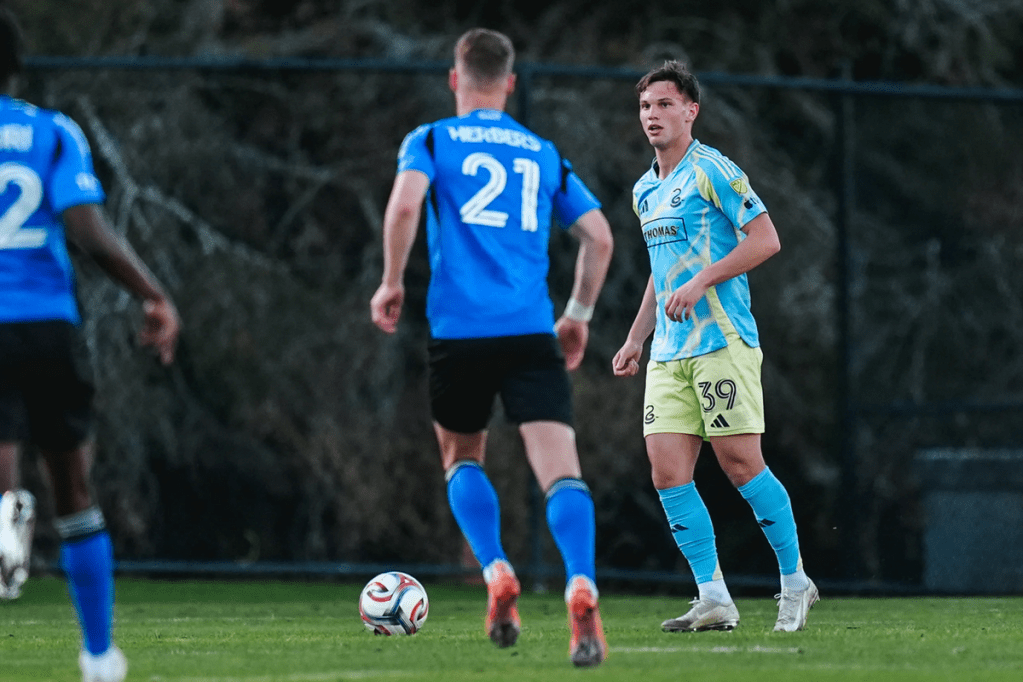
Main article photo credit: Philadelphia Union




 The One Team We Agree On
Leave a reply to vmah4ef62090331 Cancel reply