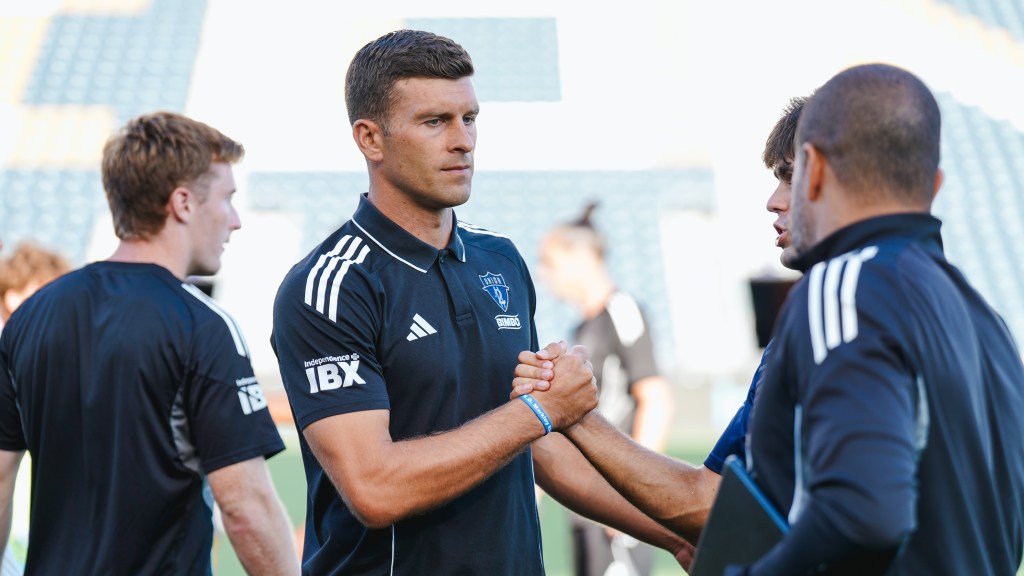
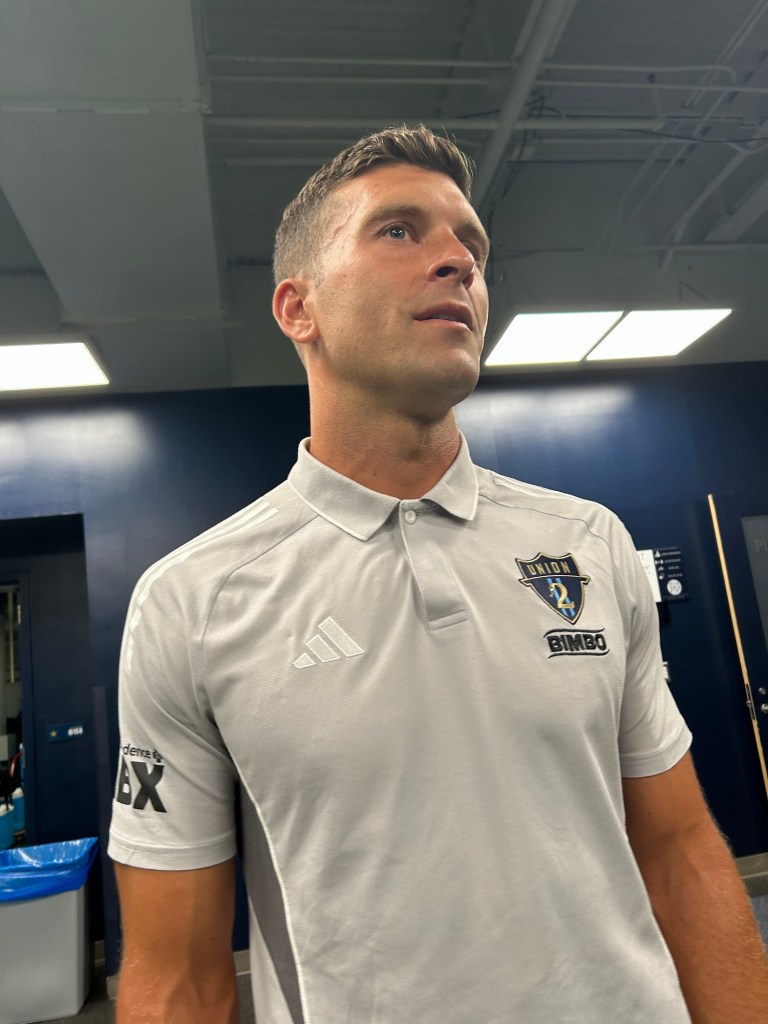
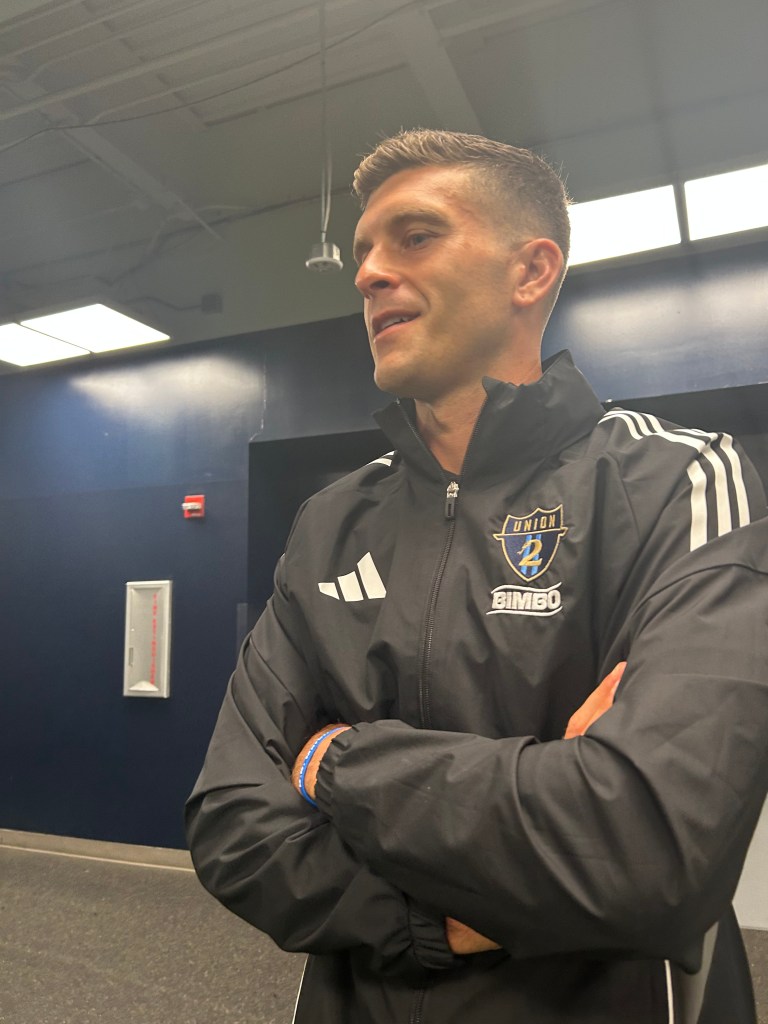
A kid from Southampton that got to play Division I college in Philly, got drafted by the Union to begin his professional career, and moved his way up through the Union organization as a coach—Ryan Richter’s journey has included so many moments and lessons that led to where he is today. As the current head coach for MLS Next Pro side Philadelphia Union II, he leads with integrity and imparts the lessons he has learned from his playing and coaching experiences.
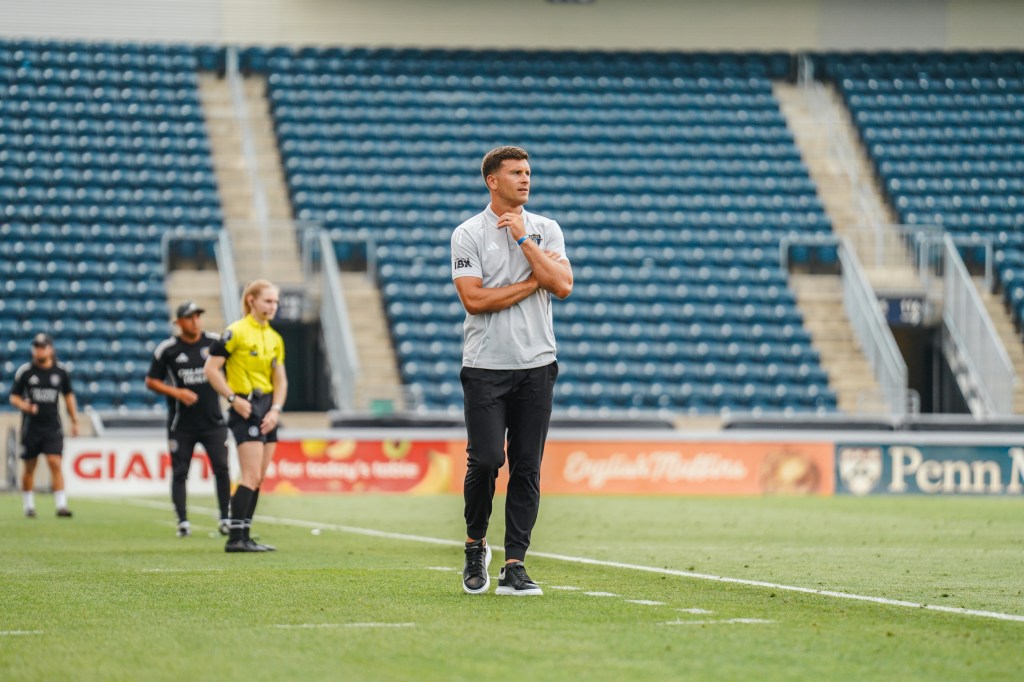
It was a successful 2025 season for Union II with Richter in his first year at the helm as Union II broke their team points record for the regular season with 58, going 15-5-8 and a league-best goal differential of +30. They tied New York Red Bulls II in points, finishing second in the Eastern Conference standings due to the tiebreaker. The squad made it to the Eastern Conference Final, falling 2-1 to Red Bulls II.
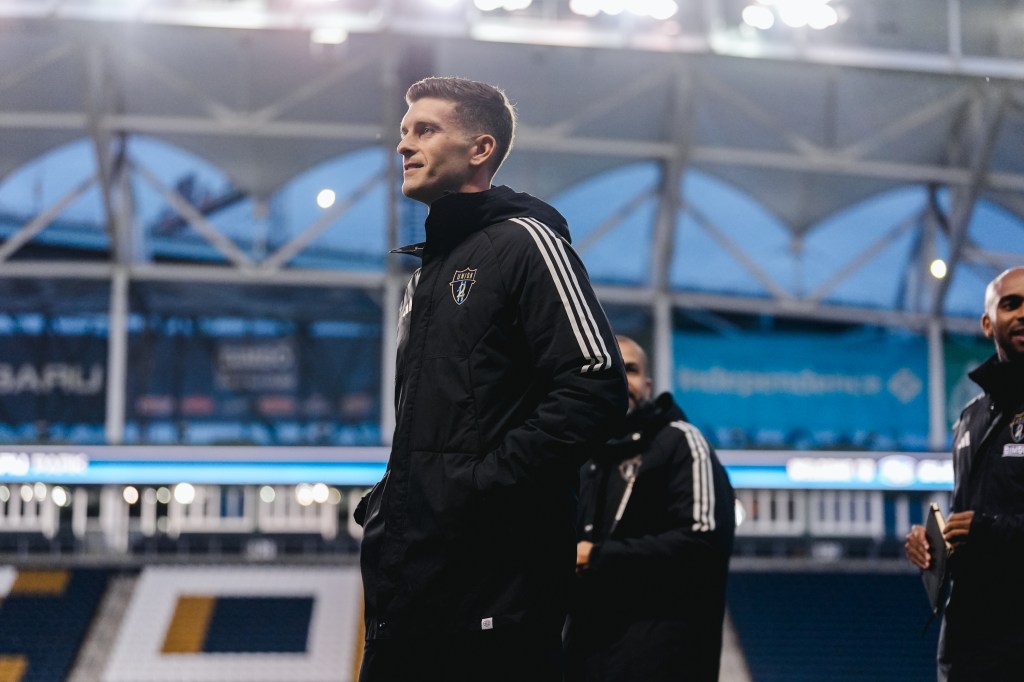
Academy director Jon Scheer shared his thoughts on Richter in the Union’s end of season presser, saying “I think it was a fantastic season for Union II. Broke the points record for what we’ve had over the last few years, and I think we’re a manufacturing plant for not only players, but staff as well.”
Scheer was very complimentary of Richter, continuing, “Ryan has a lot of potential and has shown his leadership skills in his first year as a head coach at the professional level. And how he managed the players and how he managed the staff was commendable, and there’s also room for improvement as it relates to the integration and the game model. Bradley’s been excellent, and his staff, at making sure that our academy coaches and Union II staff are really clear in terms of roles and responsibilities on the pitch, and we look forward to taking the next step here. But if you look at the alignment and the communication from the first team staff all the way through, it’s something I think we’re proud of and looking to build upon.”
Union head coach Bradley Carnell echoed those thoughts, saying, “I think Ryan’s had the most difficult job because it’s always—because of our age curve is so young, and there’s always guys in our roster, then we send them down and it’s on the weekend, it’s a Friday, it’s a Saturday, it’s training. So he’s always been kind of on call with his players, and credit to him to get the performance that he did with the limited time of training at times. You know, I would say, incredible job done.”
We at The One Team We Agree On had the chance to sit down and talk to Richter about his experiences coming up as a player and a coach, as well as his first season with the Union’s second team. Please check out our full video on our YouTube channel or find the full audio wherever you get your podcasts (Spotify/Apple/Amazon/iHeart). The transcript, edited for length and clarity, is below.
Jillian Almoney: So we’re going to talk about you a little bit first, just growing up. What was influential in getting you into soccer in the first place?
Ryan Richter: Yeah, like most kids, my dad was a player, not at the professional but at the collegiate level. So he threw me in it from a very young age, like I’ve done with my boys, and like he did, or his dad did with him. So it’s part of our family, you know, part of our lives, for generations and something that I fell in love with from a very young age.
JA: So you played college soccer, you went to LaSalle—just what led you to deciding on LaSalle? And then you were an accounting major, right?
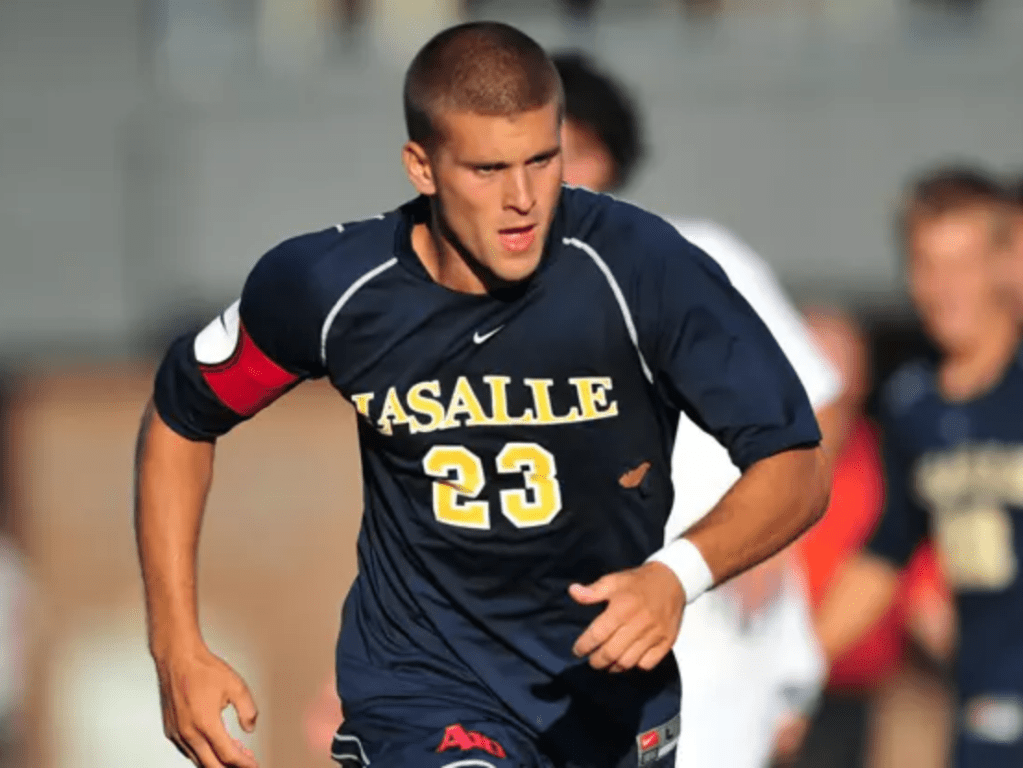
RR: That’s correct. And that degree does not serve me on a daily basis, I would say. But what does is the great people that I met in my time there. And the main reason that I went to school there was the coach. We had a great relationship from when I met him through the whole recruiting process. And he’s, you know, he was a father figure to me while we were in school. We keep in touch, speak every couple of months still. And he had a great influence on my life of just how to he, first of all, helped me grow up to become a man at a time in your life when you need that kind of support and people to keep you in check.
But the way that he supported me and taught me how to lead people, how to behave around kids of the age that I’m working with, and how to push them to be better. And it’s not always on the field, you know, the more impactful stuff is the way that you can kind of help these guys grow from being kids, turning into young men. And that was a great influence to me, and what led me to going to LaSalle.
JA: I see that influence has really paid off, because I see that same way when you interact with the players and everything. So I mean, the character side of it’s so huge with coaching; it’s more than just the actual sport itself and the training. So that does go a long way. Now, was playing professional soccer always the plan, or what was your backup plan?
RR: Yeah, I mean, that was the target. You kind of take steps. First, it’s can I play in college? Can I play for a Division I college? Can I get a scholarship? You do that, you kind of reset the goals. And it’s, you know, how far can I take this? I had a successful first year, first season in college, and then it’s like, okay, what could be possible after that? You know, not many players from LaSalle end up as professionals. There’s a couple of us, you know, myself, Johnny [McCarthy] Jason Plumhoff and a couple, one or two guys before us, Kevin Coleman, Cecidio Colasante. So, you know, not a long track record of players from LaSalle playing at the professional level, but that was the target of mine.
Once I had that little bit of success, I gained the confidence like, okay, maybe we can take this a little bit further. And then once that became a reality, I had a really strong senior season and was and got drafted into the MLS by the Union. And once that became a reality, it’s, again, you just set the bar. Now, can I be successful at this level? Now, how far can you take this? And then when that ends, it’s, it’s setting new goals. And the same with the position I’m at now—it’s setting new goals for next season, setting new goals for five years from now, and chasing them. You know, the same way that I encourage my players to have really big ambition and then chase it with everything that you have.
JA: And just talk about the feeling of being drafted fifth overall in 2011 by your hometown club, and then scored a goal August 24, 2011 against Harrisburg City Islanders. And just, you know, I found it really interesting, by the way—I read somewhere that you were finishing up your credits after you got drafted, which, what six classes? Is that correct? So that’s a lot.
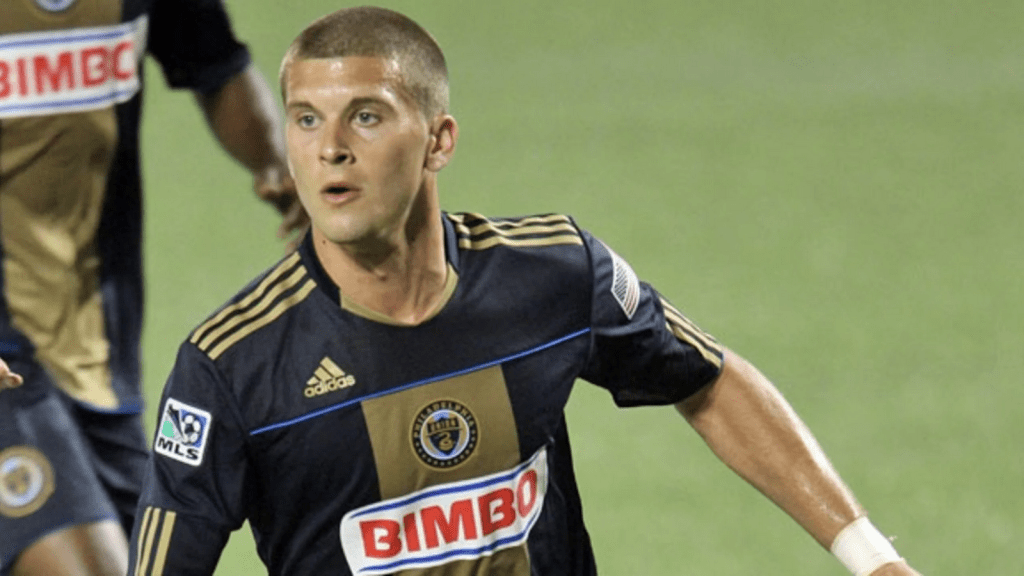
RR: Yeah, that sounds about right? And some help from from teachers understanding the situation. I think we were away for like, the first couple of months with preseason, and for the most part, they were all cool with it. Some I had to take, I think the following semester, I think they just said, there’s no way this is going to work, which that’s okay too. But I know I’m happy that I did finish my degree. Not everyone does once like that kind of becomes a reality. So that was important to me and my family.
But to get to get drafted by my hometown team… I mean, that was a day that I’ll remember for the rest of my life. It was my wife’s birthday. So I take away, you know, her special day, and put the attention back to me. But no, it was an amazing moment for my family, so many people that have helped me get there to see that actually become true, that you’re going to be a professional player. That’s that was something really special.
And, you know, on the other side of it—and this is a lesson that I try to teach my player is, “Guys… you have no idea how hard this journey is going to be.” At the end of that season, I got released. So, you know, I think everyone in my life probably knew that I was a Union player and I was like the professional soccer player from Southampton, and then to that get taken away from you, you learn a lot in those moments and you learn “How much do you really want this? How hard you want to chase this?” And that’s something that gets really lonely when you have to deal with it.
Now, I had a lot of great people that supported me through that, but I learned a lot about myself and the resiliency that it takes to kind of get over that moment when that gets taken away from you. And that’s a story that I try to share with with my players, because it’s like, as this is not going to go perfect, and you have your plan of what you think it will go, but it will get it will get really hard in some moments. And you know what you can lean on is how much you love this game, how hard you want to work to achieve whatever your goal is, and be ready for these kind of hiccups in the road.
So kind of in that one year, you hit the highest of highs and then some really low lows. But through it all, I’m lucky enough that I’ve had great people with me by my side and support me through through everything that I’ve been through.
Kyle Almoney: Yeah, you kind of answered my next question there, but there is something I do want to touch on. So after you got released there, you kind of bounced around MLS, USL for a while… talk about maybe some of those lessons at the time for you personally, maybe seemed unfair or difficult to manage, but now, reflecting on that as a coach, you understand a little bit more. And then there’s how you impart that on these players, some of these guys that have been bouncing around like MLS and Next Pro or other areas.
RR: Yeah, I personally never looked at it like some coach was unfair to me, or I deserve something that I didn’t get. That’s not how I was raised. It’s work as hard as you can to try to achieve what you want, be a good character and have the right values and morals, but you don’t make any excuses when it doesn’t work out. That’s how I was raised, that’s how I try to raise my kids, is you can do the best that you can, and you got to focus on what’s in your control. And if it doesn’t work out, we don’t make excuses. We say, what’s something that we really want? And then we keep going and chasing it. And you know, that was kind of what I did through my career.
I went to USL from there, played a year in Charleston. We won the USL that year. It was amazing. The following season, I was still under contract in Charleston, went to preseason with DC United. They decided not to sign me. But in that preseason, we played a game against Toronto FC, and I played really well in the game. So after that week, DC decided not to sign me. I drove to Charleston to rejoin Charleston, and when I got there, got a call that that Toronto wanted me to come in. So I drove straight from Charleston, flew to Toronto a couple days later. And then it worked out that I went back into MLS, and that was a really cool lesson for me.
And then you go through two years there not playing so much, I couldn’t break in, and that’s where I was at. So my decision was to go to a level where I thought I could get better and compete and play every day. Went to NASL and had an amazing experience for two years with with Ottawa Fury, met probably one of the most influential people in my life, the coach at the time, Marc do Santos. He’s new head coach for LAFC, so we’re proud of him for that. Happy for him, but he had such a great impact on me. As a player, he got a lot out of me. And then the kind of leader I wanted to be when I was a coach. A lot of the ways that he led his team are things that I thought were the right way to do it. So that was amazing for me to see.
After two years there, came back home with Bethlehem Steel. It was to give one more shot in MLS to see if I can make it. And with the Union, it didn’t work out. So I moved to New York Cosmos for two years, and again, met another great coach, a great leader in Gio Savarese, another person that was very influential in the way that I try to try to lead people. The way that he is with everyone, knows everyone’s family situation. “What’s going on, is your wife good? How are your kids? How are your parents?” He showed me that there’s a lot more than just than just being on the field to try to connect with people. So the journey that every player goes on is different. Me, it was always chasing—how far can you take this? And I’m grateful for every experience that I had, and like I said, when something didn’t work out, we don’t make excuses. We go for the next thing and attack that 100 percent.
KA: I do kind of want to ask about your time at Bethlehem Steel for a second. You got to work with two people that were at the Colorado Springs Switchbacks that have recently been let go, I believe. But talk about your time with James Chambers and Steve Hogan—those moments and what made those guys great.
RR: Yeah, actually James is in town for a couple of days, so I actually was at lunch with him this afternoon. But they’re two top people, two people that I connected with right away. James is one of my best friends in the game. Speak to him, and now he’s a head coach at the USL level. We kind of can bounce ideas off each other. We reach out to each other with problems that we’re dealing with and just nice to kind of get someone that’s outside of your environment that’s going through some similar things, guys that you can bounce ideas off of and try to learn from, and see how they would handle certain situations. But two great people.
James is one of my best friends, like I mentioned in the game, and yeah, it was a lot of ups and downs that year. You remember, that was the first year for Bethlehem Steel, so there were a lot of things that the organization was trying to figure out as far as what they want the second team to exactly be. But like I said, it was a great experience and and probably, if I don’t do that, even if it wasn’t… I would say there are a lot of a lot of things that were not perfect for just the point of my life and career that I was in, that it probably wasn’t a great fit for the long term. But if I don’t do that year, there’s no way that I end up working in the Academy two years later, and then progressing my way through working with the first team and then as a second team head coach now. So like I said, it was a very tough season, I would say, just the point of my life that I was in. But what that led to after my career was was really important.
JA: So you worked your way up through coaching with the Academy. Just talk about that experience a little bit too…how you got started with that?
RR: Yeah, so I actually, my whole playing career in the off season, I would come back and work in the Union Juniors program. If you guys know the name Ian Monroe, he influenced so many coaches throughout the Union organization, but it was Ian running it. Phil Karn, Kevin Coleman… these guys brought me in while I was a player during the off seasons and really learned how to coach. And as soon as I started to get involved in coaching kids, I loved this piece of the development. I mean, it’s so innocent, they take information without any was so much less, I guess, attitude.
Yeah, so it’s like it’s just the game at its purest. I still coach my boys’ teams now, and it’s like I really have such a strong passion for coaching young kids. But this was my introduction. I fell in love with what Richie [Graham] was doing at YSC. I fell in love with the building. It’s still, when you go in there, it’s like, so nostalgic. And then what they were trying to do with the Academy, the idea of, you know, developing the American player to try to try to help him play at the highest level. It’s like, what if, as an American soccer player, how can you not love this idea and be fully in on this vision?
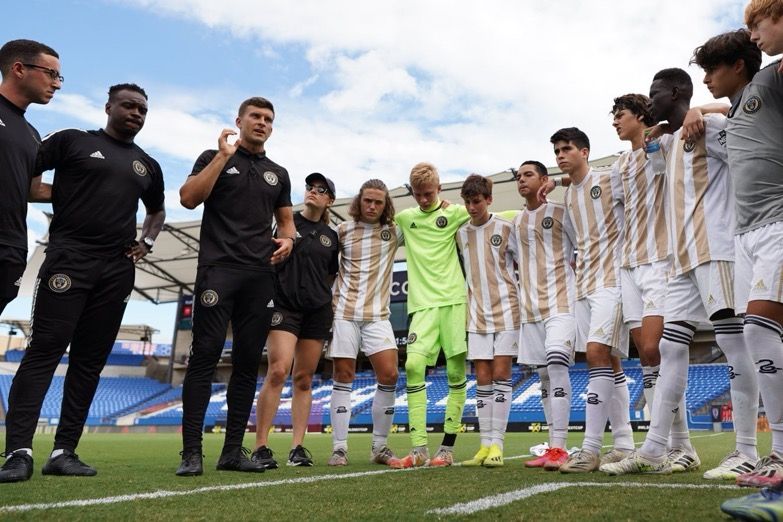
And that’s kind of what led to the Academy job. I think the guys that were involved—Tommy Wilson, Ian Monroe, Richie Graham, they knew that what I wanted to do in this game as a coach, it aligns with what their vision was of the program, and that’s trying to help the American player progress through and see if we can create world class players by creating the right environment for them to develop.
So when I started in 2018, again, I spoke with Richie and Steve Graham. They got me involved in some of the stuff they were doing with under eight, under nine, under 10, the Union Pre-Academy. And again, I was all in for this, I was all in for the development of young players and and coaching the kids. It’s so cool when you see kids that are seven, eight, nine years old, and they already love the game. They want to train for two hours straight. They want to compete. They want to get better. And they have their own ideas. They surprise you with some of the stuff that they can come up with, the creativity. So that was really cool for me to get involved to that level. Because, yeah, I still am super passionate about coaching young kids today. So that’s how I started with the with the Academy.
KA: So similar to Jim [Curtin] starting when he came up through the ranks during his time, when he was at Philadelphia… my understanding, Jim kind of started out there as well coaching younger kids, and kind of worked his way up too. So I guess transition into that, what was the best advice you ever got from Jim?
RR: The best thing that I learned from Jim, and the way that he managed the staff and managed the players, is when we’re in this and in the season, it’s like you can get so caught up. You can be watching games 24 hours a day. You can be like, your mind, only here. And what I learned from him is the importance of, hey, you’re a human you have a family. These people are the most important thing. And this soccer stuff like this will take care of itself if you do a good job, but don’t miss your life because of because of being a coach of a soccer team, and that’s something that I believe in fully.

You know, we’re incredibly hard workers, but this is number two. Family is first, and the rest—soccer, this stuff, comes second. And if the soccer stuff doesn’t work out, that’s okay, because the family stuff is number one, and that will work out. The soccer stuff can take care of itself. And he always kept that in perspective.
I hope that the staff I work with now, that they feel like I give them this, this freedom to like, look at life that way, and understand like, guys, if you need something, you’re going to miss your kid’s game when we’re in the office and it’s not something critical. Like, please, leave… go. Be with your family, be in important things. Because we miss enough for this. We miss enough for for working in professional soccer. So I that’s the biggest piece that I’ve picked up from him, is take the human view…family first, and then, you know, we all perform better when we have this, is what my opinion is.

KA: And just with your time with the first team, you were one of the assistants. What was your day to day, week to week, season responsibilities, and how’d that prepare you for when you took over Union II?
RR: Yeah, so a lot of things. I mean, running, training, preparing for opponents, and then post match review and presenting that, and both those for the team each week. So a number of different skills that you pick up. The most important thing, speaking in front of people. I’m grateful for Jim, that he let me do this weekly, to reflect on the game. Hold people accountable in front of a group. That’s a very tough balance to make, because people get sensitive when you have to call them out in front of the group, but trying to direct the conversation in a way that it’s not an attack on somebody. But you make a correction, and we have standards that we have to hold people to. So that’s from a post match review standpoint. Pre-match, the detail that goes into it. I mean, you’re talking watching four or five games for every opponent that you play. So those hours add up, especially midweek games. You’re talking 15, 20 hours a week of watching games, and you have to go in and be focused and be able to gather the detail appropriate so that you’re preparing the team in the right way when you present it to the group.
And then running training, finding your voice in front of group professionals, finding the way that the keep sessions flowing the way that you want them to, but stepping in at appropriate times to make the coaching points to kind of make sure the focus is on what you want the team to improve in. So those are all skills that you work on that make you a better coach, I would say, from a technical standpoint.
But the piece that you don’t get as assistant coach, that at least I felt I needed to get better at, is the leadership part, the communication, the way that we’re creating a culture and an environment where everyone is pushed, but everyone feels like they want to be there every single day. And this leadership piece is just not your job as the assistant coach. You try to help as much as you can, but ultimately, people are going to go the way the head coach goes, and that’s something that’s a different job as a head coach, even if it’s at the Union II level, compared to MLS.
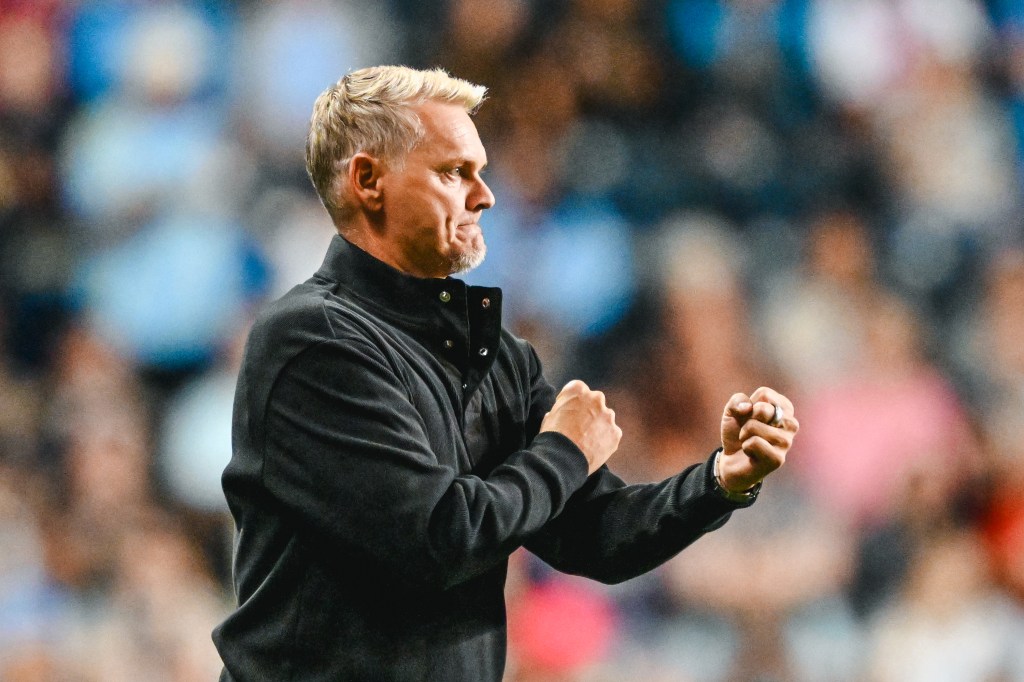
JA: Speaking of leadership, just talk about Bradley Carnell for a moment. How have you seen him grow as a coach since arriving in Philadelphia? And then the same for Jon Scheer, who you’ve worked with in various capacities, have you seen him grow as well?
RR: Yeah, I’ll start with Bradley. I mean, it became very clear when Bradley came in, like he has no agenda, his agenda is to improve the club, improve the team, see the team play in the style and try to get the most out of people. And he’s very open with his communication, and he has been the entire season. You know, anytime I call, I know how it can get, like you’re preparing for a game and it’s like you have all this, and you get a call from the second team coach, like you imagine that’s like, “come on” again. But I never felt this from him. And I appreciate that type of leadership. I want to do the best job I can. It’s to support him. I always feel like he has time for that. And that’s great leadership. I never feel hesitant to call him if I have a question, if I just need clarity on something.
But his communication has been amazing throughout the organization, and it’s a big part of the culture that they created this year, and you can see it on the field. You can say that see the way that the guys are connected, the way that he’s gotten so much out of that team. So that was really cool for me, for me to see, and again, the way that he’s treated us in the second team project. It’s it’s clear to him that this is an important piece of of the entire project.
And for Jon, he and I have been been really close for probably the last eight years. We started together at the Union around the same time, and have worked together in a number of different roles. He was a scout for the Academy when we worked in the Academy. A scout for the first team when we worked in the first team, and then as director for the Academy and the Union II phase over the last year, but we’re very close. And you know, our relationship is one where if I need to challenge him on something, I never feel like I can’t do that, he’s open to that. We might argue back and forth, but we one target in mind. Let’s do the best. So no one needs to be right, but we need to do the best. That’s how we approach this.
And like I said, we have a lot of the same mentors, a lot of people that the principles that they they instilled in us of what this project is supposed to be and how we’re supposed to treat the people in it. We believe in a lot of the same things, so even if it’s something that we disagree on, again, like I said, our target is let’s do this the best way that we possibly can, and we’re both all in for it. And at the end of the day, he’s my boss, so I have to say nice words about him on here. [chuckles]
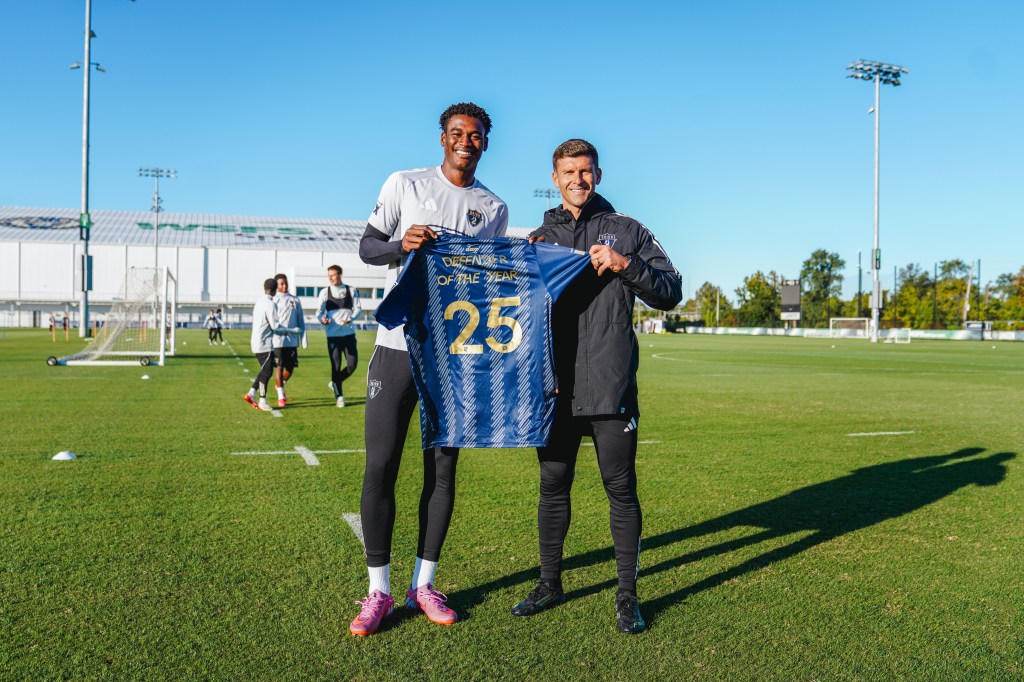
JA: Well, I think something that’s been very apparent is there’s been a lot of continuity between all the various levels, Academy, Union II, first team. So I think that that’s huge.
KA: Looking back at Union II this season, what are your final reflections, and how did this team grow? And what would be the story of the season for you, so to speak?
RR: Yeah, so the story of the season to me, when I take the long view, I’m really proud of of the culture that we created. I’m proud of the culture of the staff that we had, and we didn’t have so many, I would say, tough moments throughout the season, but we had one or two, and the way that we responded in those moments.
And the real story of the season is it’s about the development of the players. And if you go about halfway through the season, I think you saw a change in five or six players from from the first team for a number of different reasons. There are different points in the development. David Vasquez went to San Diego, amazing opportunity for him, and a successful move for the Union organization. So while that hurt a lot, the style of play, because you’re losing, to me, probably the best player in the league at that time, you’re losing him on the field, this is a win for David and a win for the Union organization.
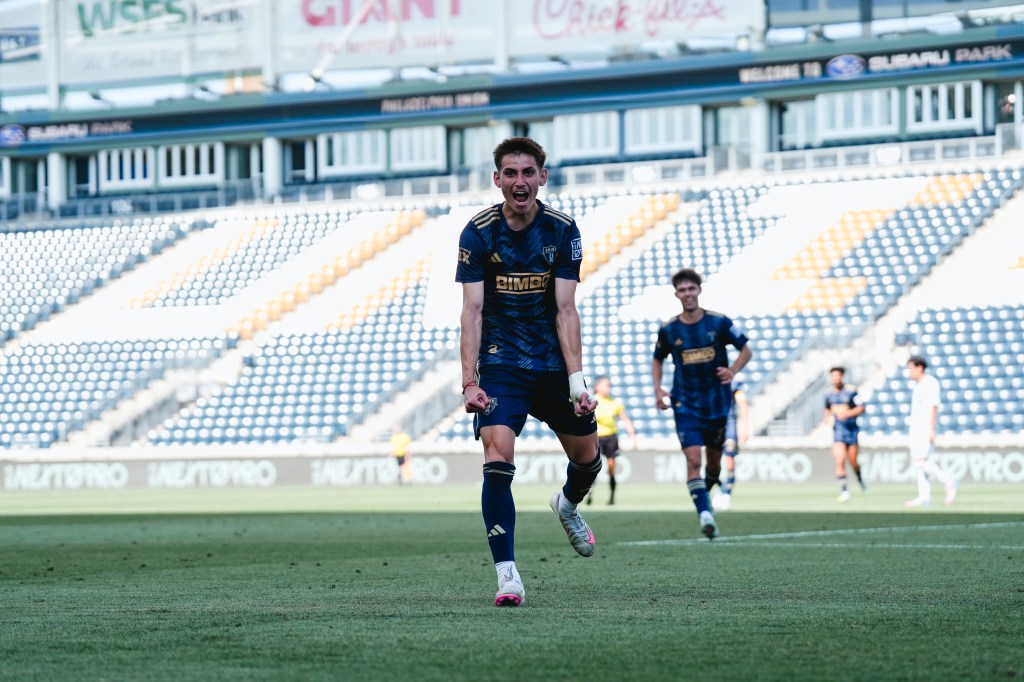
CJ [Olney] moving on loan to Lexington, and Isaiah [LeFlore] moving on loan to Detroit. The two of these players, again, huge pieces of why the team is winning on the field because their level is so good. But for them, and I agreed at the time that they could go for something, another challenge, and we try to push them to get better. So for their own development, these two players moving on was, was really important.
Henry Bernstein, Gavin Wetzel, Zach Mastrodimos going to college—again, three players that played important roles in our team. Andrew Rick, playing mostly with the first team. So we lose him for a lot of games, not lose him, but you know, he gets the opportunity that we’re trying to push all these guys to. So you take seven players that were pretty key contributors to a lot of success for the first half of the season, when we were really on fire.
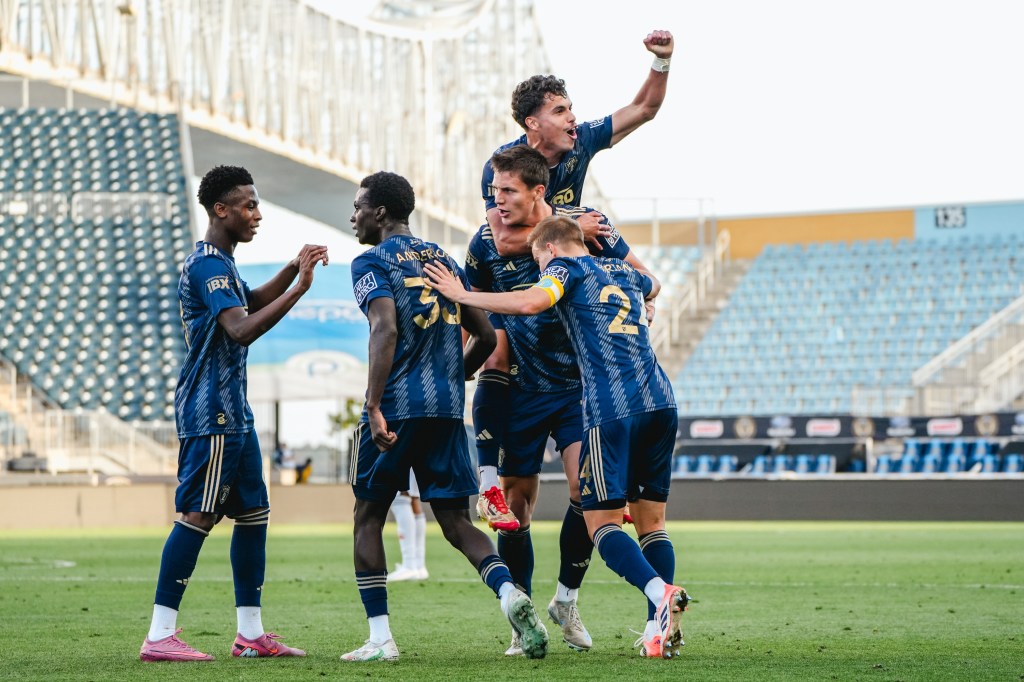
So basically, you come in with a new team. It means Jordan Griffin is playing 90 minutes almost every game. Pierce [Holbrook]and George [Marks] get opportunities as goalkeeper. Gio [Sequera] becomes a right back after playing limited minutes, I would say, for a lot of the season. Óscar [Benítez] becomes a full time starter by the end of the year. Kellan LeBlanc becomes a reliable 90 minute guy. And then you see the development of of Stas [Korzeniowski] as a striker in the last 10 games of the season.
So after that period with those seven players, we lose three out of four games with the other one being a loss in penalties. So four games are a tough stretch. One point in four games, we have to reset what the culture is, what our habits are, and we go and we win the next seven games in the regular season, and then win the next seven games, and then lose against Red Bull in the conference final.

So the story of the season to me is that we brought a group of players along that changed because they needed something different, which I’m totally cool with. That’s the job—push them to go to a higher level if they needed more challenge. Or the guys we lost for college, I wish we didn’t, but that was “We’re not signing you right now. We’re not going to hold you back from this opportunity and change your life in a negative way. Go try this.” Totally cool. We lose these players. We have a small hiccup, a four game where the culture does not feel right, not just because we’re losing because it’s a lot of change, and we get it back on track with the last seven games of the season.
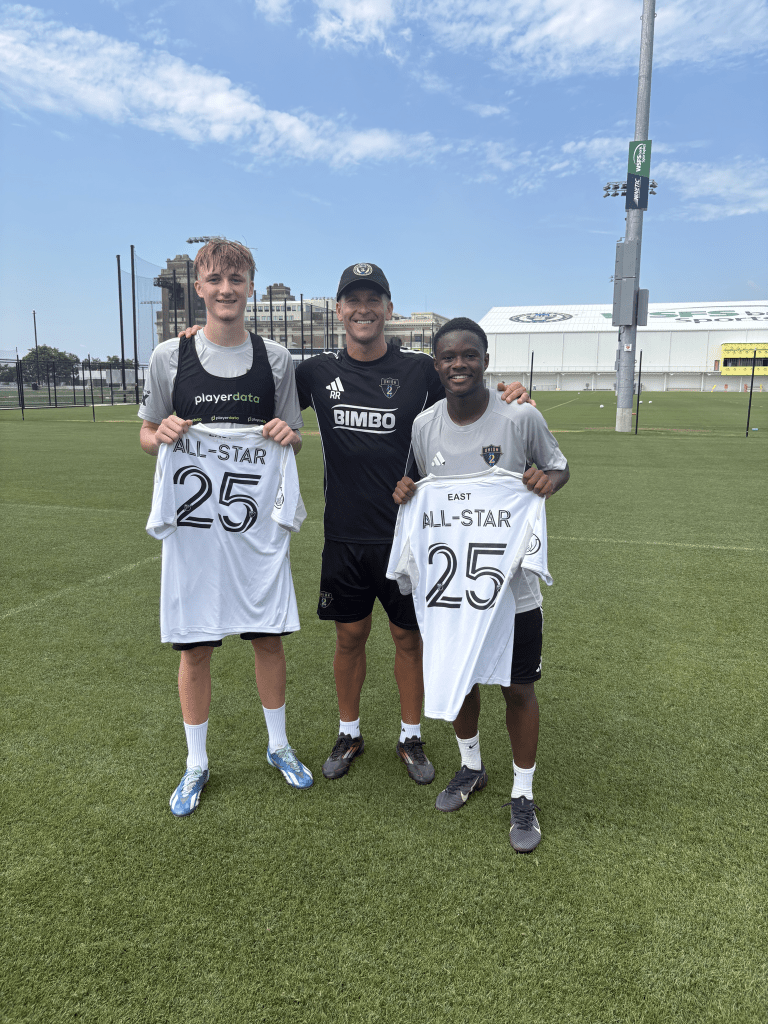
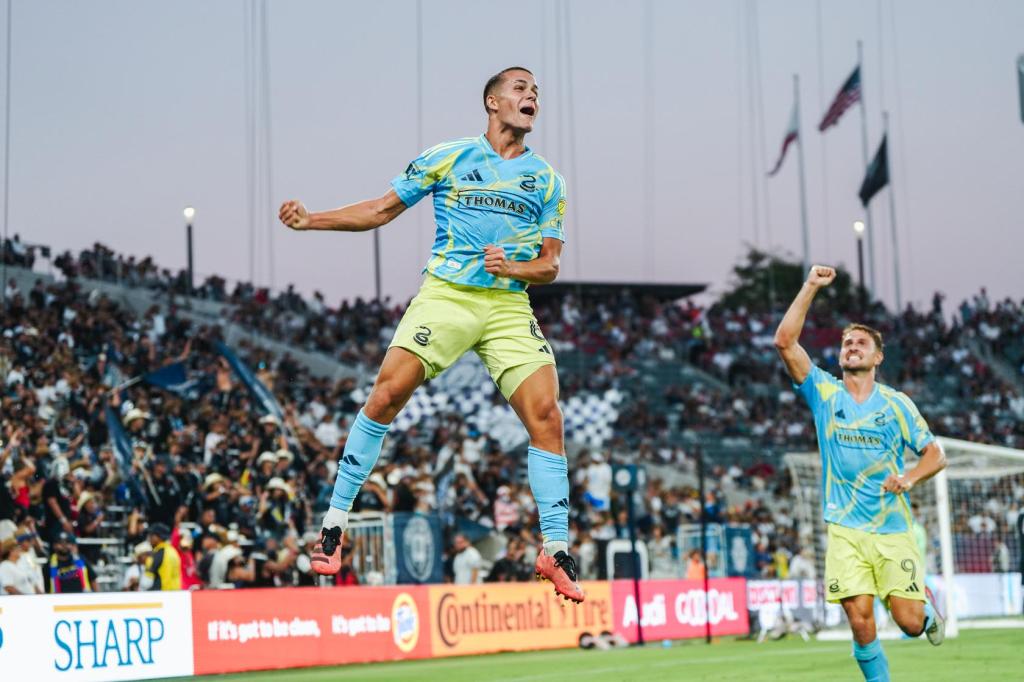
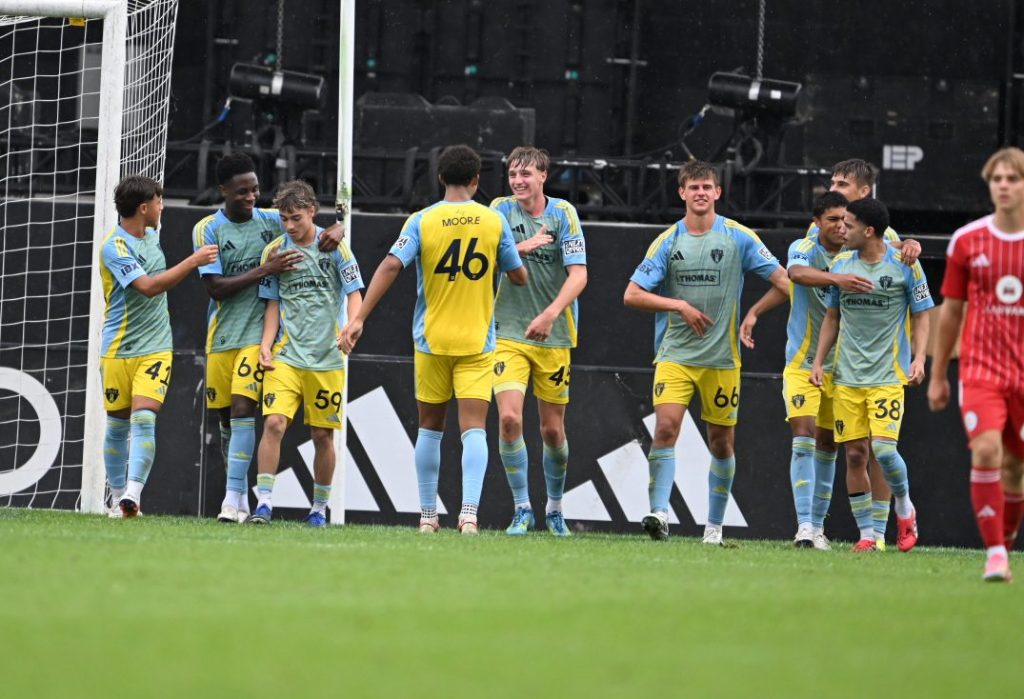
Photo credit: Philadelphia Union II
And this, to me, was was a really positive piece, and that’s credit to the players that were involved, the credit to the staff who worked incredibly hard to get everyone hard to get everyone on the same page, and credit to the culture of what, what our club is, and it’s about development, and we were able to do that in a really quick way. So I hope that’s the story of the season that everyone’s most proud of. I know for me that that it is. Do you want to change seven guys the middle year? I hope not every season, but that was really cool this year to be able to get everyone back on track and back on the same page.
JA: So Kyle kind of asked this after the Red Bull game there at the end, but maybe you’ve had some time to think about it because Kyle kind of put you on the spot there… but, just how did you grow as a coach this season?
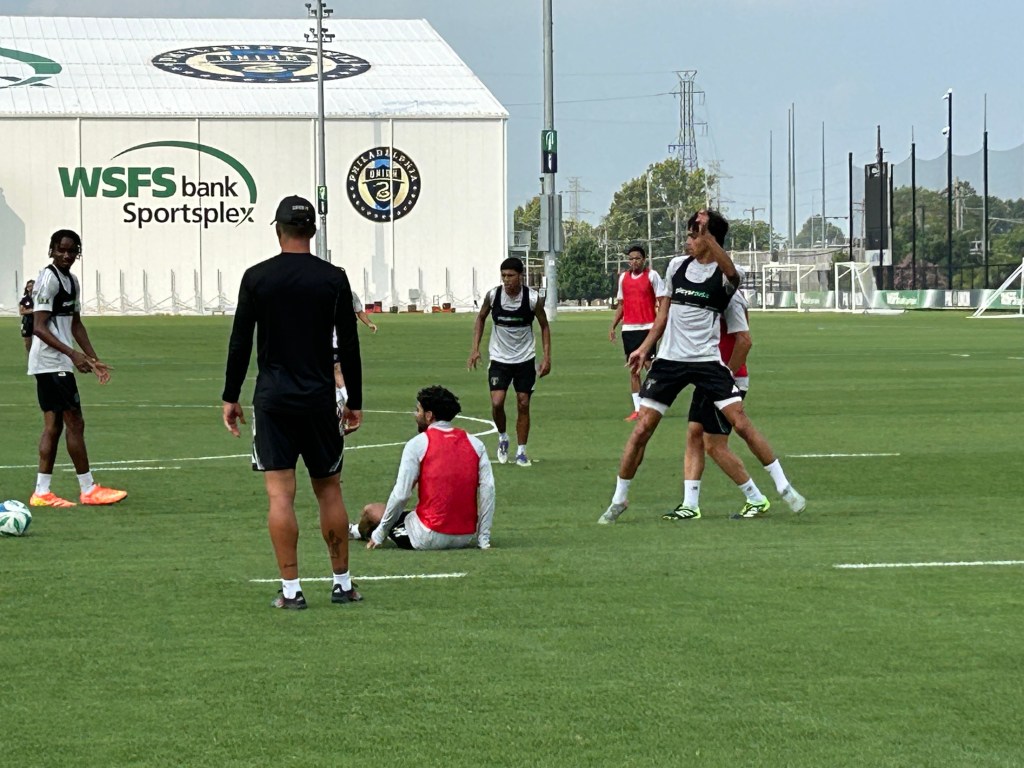
RR: Yeah, I grew in just the way that that I deal with people on a daily basis, and I hope that my staff and the players, they feel like that, and that’s in a way of more listening and less telling people what I think they should do. Basically, we have a lot of smart people that I work with. We have a lot of smart players I work with, and they have ideas, and to be a better listener, and still, you have to make the decisions, but to give people the space that they can be creative they can express themselves, and not only because of the ideas that might come out of that, but also the culture that it creates. Where it’s very open and people feel like they can express themselves in searching for what the best version of them is. I don’t think anyone’s a finished product in that and and I hope that every year I get better in this, and the way that you deal with people, manage people, deal with your relationships and friendships with people. And the benefit of that is that our culture only gets stronger and stronger.
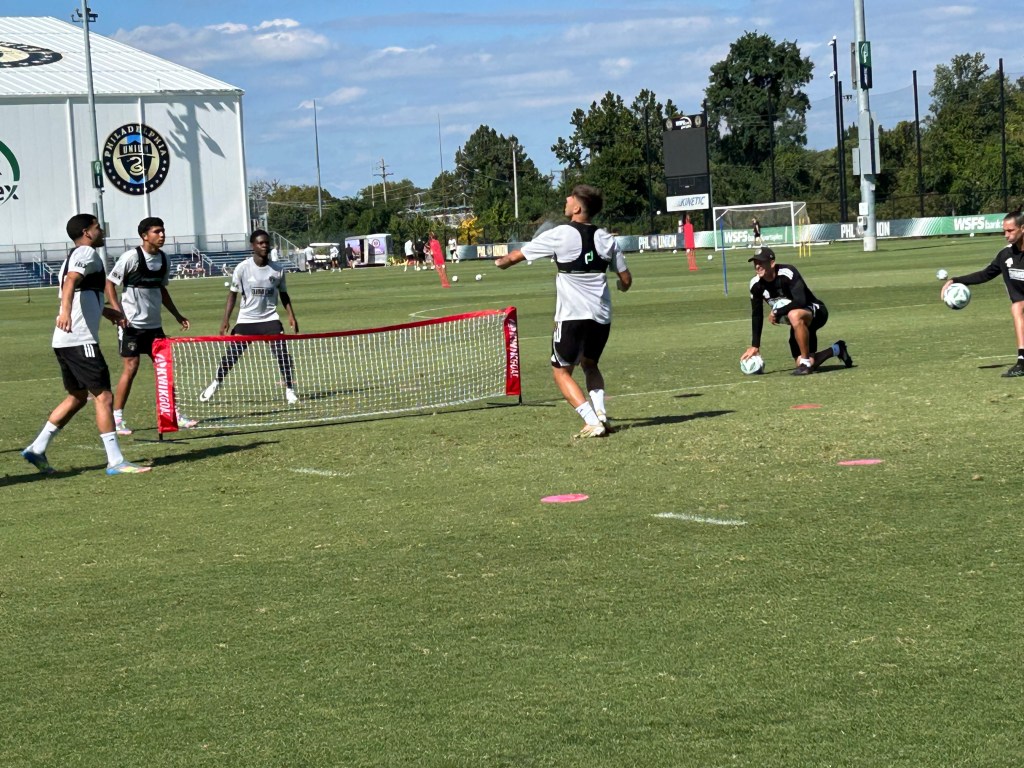
And as my mentor, Ian Monroe, once said, it’s not the drills or the coaches that that make the player, it’s the environment, and I strongly believe that, and and that’s what we have to focus on. You know, Jon, myself, Union II staff… let’s create an environment where people can push each other every single day. That it’s positive, that it’s competitive, that people are free to chase the big goals that they have and the big dreams that they have.
Main article photo credit: Philadelphia Union II

 The One Team We Agree On
Leave a comment